13
Jan
3 Things Your Child Learns From Puzzles (That Schools Don’t Test)
For many children—especially those with ADHD or Dyslexia—traditional learning environments don’t always tell the full story of what they’re capable of.
Report cards focus on reading speed, spelling accuracy, or sitting still. But learning is far richer than that. Some of the most important skills your child develops are not tested at all.
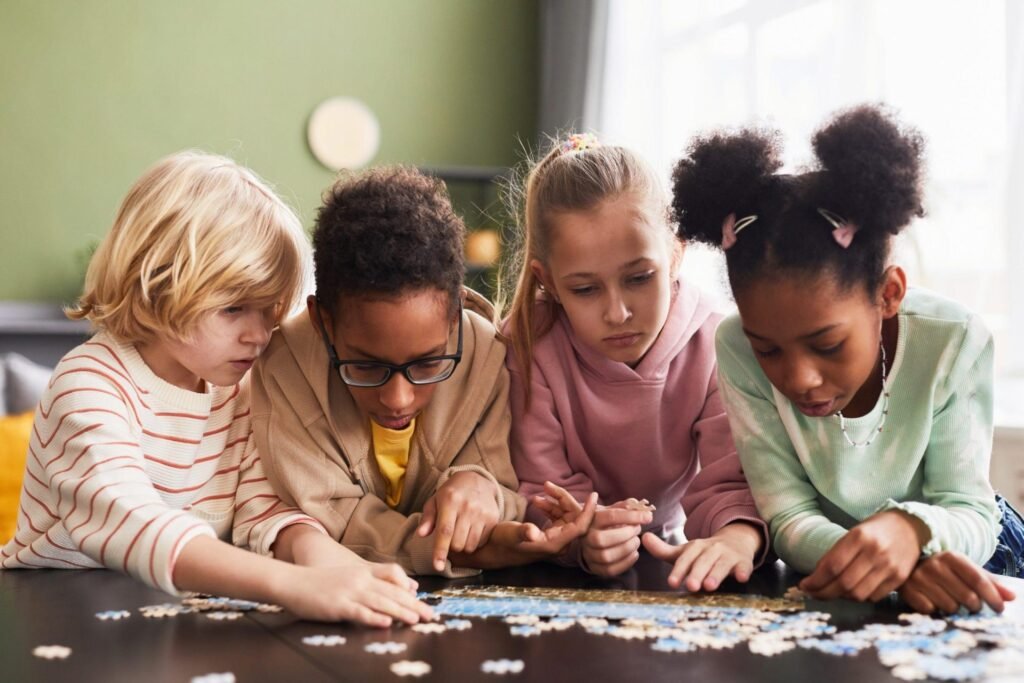
One powerful (and often underestimated) tool? Puzzles.
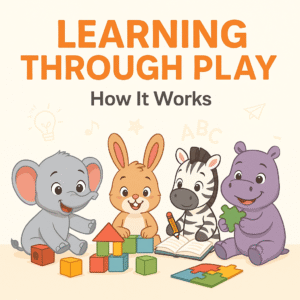
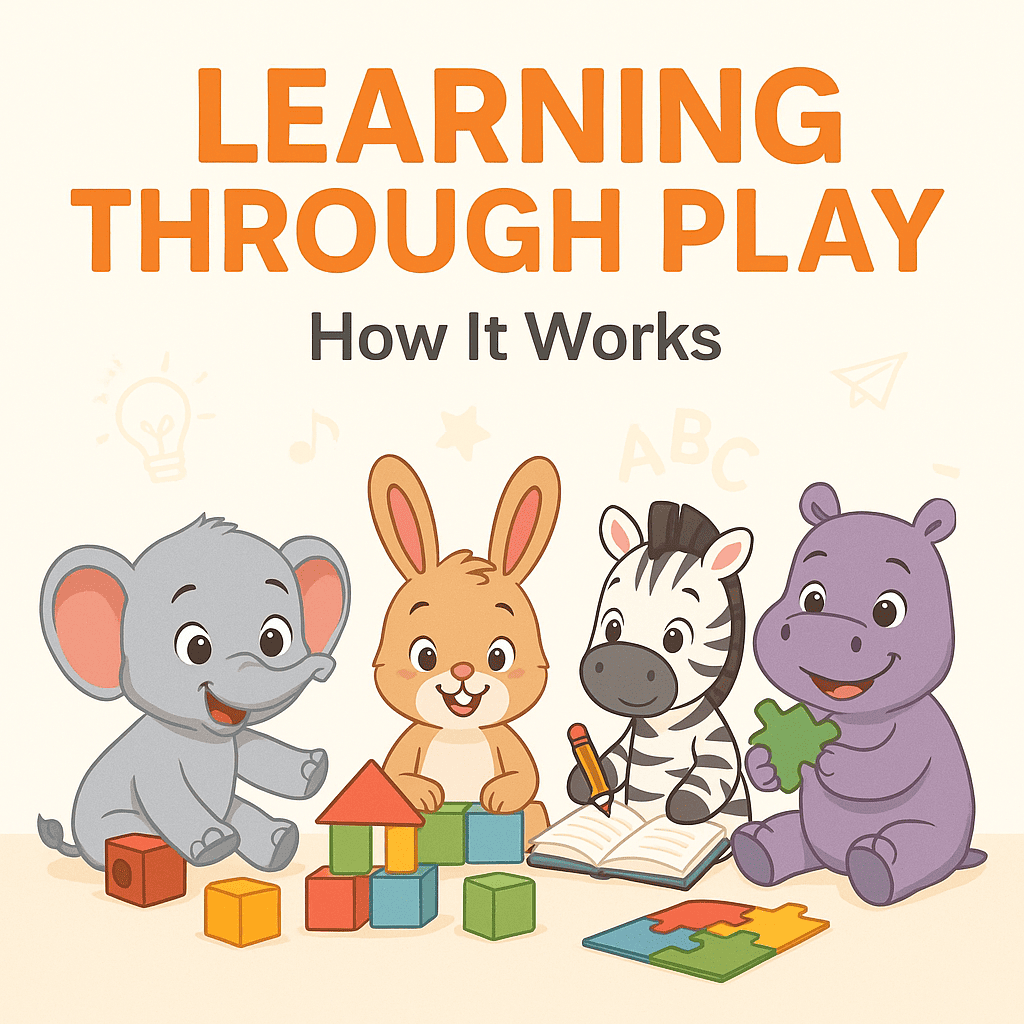
At MyStudyMates, we believe learning through play creates space for confidence, inclusion, and growth—especially for children who learn differently.
Here are three essential skills your child gains from puzzles that schools rarely measure.
1. Self-Regulation and Focus (Without Pressure)
Children with ADHD are often told they “can’t focus,” when in reality, they struggle with regulating attention in rigid environments.
Puzzles offer something different:
- No ticking clock
- No instructions shouted across a classroom
- No punishment for movement
As children engage with puzzles, their brains naturally slow down. They learn how to:
- Stay with a task
- Manage frustration
- Focus in short, achievable bursts
This kind of focus is self-led, not forced—and that makes all the difference.
– This is real learning, even if it doesn’t look like sitting quietly at a desk.
2. Visual and Spatial Thinking (Learning Without Heavy Reading)
For children with dyslexia, learning through text can feel exhausting and discouraging. But puzzles shift the focus away from reading and spelling to visual problem-solving.
Through puzzles, children strengthen:
- Visual discrimination
- Pattern recognition
- Spatial awareness
- Memory through images, not words
This builds confidence because children can finally say:
“I’m good at this.”
When learning feels accessible, children are more willing to try—and confidence becomes the foundation for future academic success.
3. Emotional Resilience and Confidence
One of the most powerful lessons puzzles teach is this:
Mistakes are safe.
There are no red pens.
No “wrong answers.”
No public comparisons.
Children learn to:
- Try different strategies
- Make mistakes without shame
- Adjust and try again
For children who experience repeated failure in school settings, this builds emotional resilience—the belief that they can figure things out.
And that belief often matters more than any test score.
Why This Matters for Inclusive Learning
Children with learning differences are not broken.
They are not lazy.
They are not behind.
They simply need learning tools designed with them in mind.
Puzzles support inclusive learning by:
- Honouring different learning styles
- Reducing pressure and anxiety
- Allowing children to learn at their own pace
At MyStudyMates, our puzzles are created to support curious minds of all kinds, including children with ADHD, Dyslexia, and other learning challenges.
Learning That Lasts Beyond the Classroom
The skills children develop through puzzles—focus, confidence, resilience, and problem-solving—are life skills. They shape how children see themselves as learners long after school ends.
Because when learning feels safe and playful, children don’t just learn more.
They believe more in themselves.
Want to support your child through play?
Explore our inclusive puzzles and learning resources designed to help every child thrive—without pressure.
MyStudyMates
Where learning feels like play.