31
Mar
5 Ways to Make Learning Completely Irresistible for Your Child
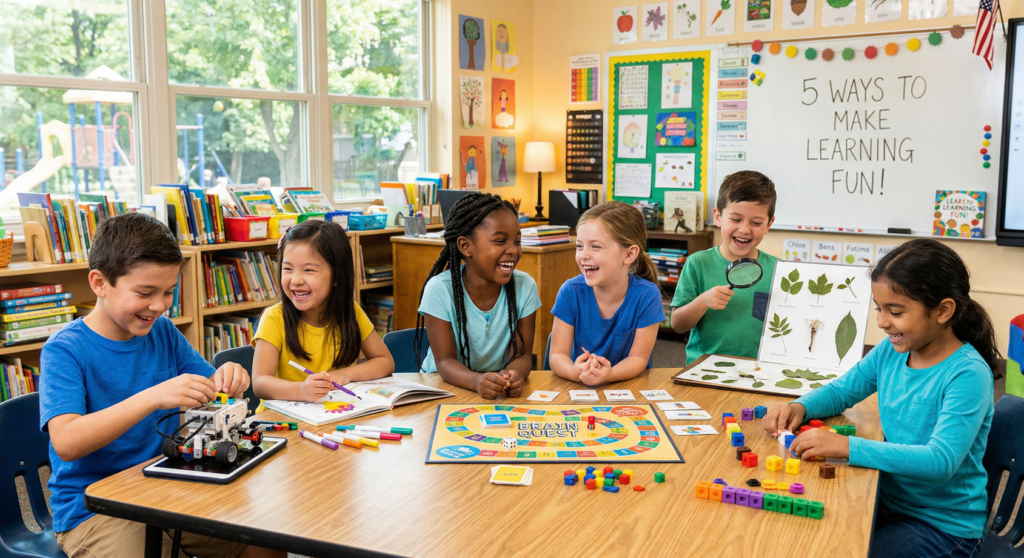
A guide for parents and teachers of children aged 3–10
By MyStudyMates | March 2026
Every child is born curious. The question is never whether a child can learn — it is whether the environment we create makes learning feel safe, joyful and worth trying.
As parents and educators, one of the most powerful things we can do for the children in our care is to remove the fear from learning and replace it with play. Research consistently shows that play-based learning leads to deeper understanding, stronger memory and greater motivation — in all children, but especially in those who face learning challenges.
At MyStudyMates, we work with children aged 3 to 10, including those with ADHD, dyslexia, autism spectrum conditions and other learning differences. Our experience — backed by decades of educational research — confirms one thing above all else: when children enjoy learning, they learn better, faster and more confidently.
Here are five evidence-informed, practical ways to make learning genuinely irresistible for the child in your life.
━━━━━━━━━━━━━━━━━━━━
TIP 1 — TURN EVERY LESSON INTO A GAME 🎮
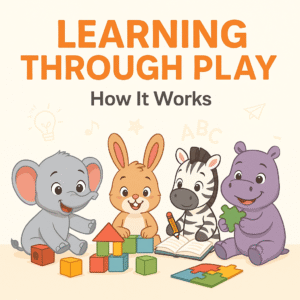
The most effective shift any parent or teacher can make is to stop treating play and learning as separate activities. They are not. For children aged 3 to 10, play IS the primary mode of learning — it is how the young brain processes, stores and retrieves information.
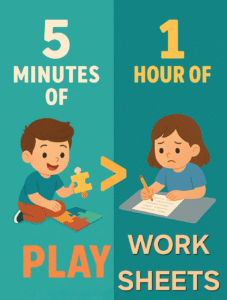
When you gamify a lesson, you remove the pressure of performance and replace it with the joy of participation. A child who is playing is not afraid to get things wrong — and that freedom from fear is exactly what the learning brain needs to thrive.
Practical examples: Count objects using snacks and let the child eat one for every correct answer. Practise letters by playing snap or memory card games. Use a simple board game to reinforce number recognition. Turn a spelling list into a relay race where each word earns a point.
TRY THIS TODAY: Pick one thing your child is currently learning — a letter, a number, a word. Spend 10 minutes turning it into a game using only what you have at home. Dice, cards, cushions on the floor — anything counts. Notice the difference in engagement immediately.
FOR CHILDREN WITH LEARNING CHALLENGES: Game-based learning is particularly powerful for children with ADHD because it provides the novelty, stimulation and immediate reward that their brains require. For children with autism, structured games with clear rules can offer a predictable, low-anxiety entry point into learning activities.
━━━━━━━━━━━━━━━━━━━━
TIP 2 — FOLLOW THEIR CURIOSITY AND PASSION 🦕
Every child has a topic, character, animal or activity they are completely obsessed with. That obsession is not a distraction from learning — it is the most powerful learning tool available to you.
When learning content connects to something a child already loves, the brain releases dopamine — the neurotransmitter associated with motivation and reward. In practical terms, this means the child is more likely to pay attention, more likely to remember what they learned, and far more likely to want to do it again.
A child obsessed with dinosaurs can count dinosaurs, sort them by size, write stories about them, research their names and habitats, and measure their footprints. Every single subject — maths, literacy, science, geography — can be taught through the lens of what a child already loves.
TRY THIS TODAY: Ask your child: “What is your absolute favourite thing right now?” Then spend 5 minutes thinking about how you could use that topic to practise one learning objective this week.
FOR CHILDREN WITH LEARNING CHALLENGES: Many children with autism develop deep, focused interests in specific topics. Rather than treating these as something to manage, use them as the primary vehicle for learning.
━━━━━━━━━━━━━━━━━━━━
TIP 3 — GET THE BODY MOVING 🏃
The connection between physical movement and cognitive learning is one of the most well-documented findings in educational neuroscience. When children move their bodies, blood flow to the brain increases, neural pathways strengthen, and the capacity for focus and memory formation improves significantly.
Practical examples: Have children jump once for each syllable in a word. Use their whole body to form letter shapes. Count steps as they walk. Sort objects by colour while moving around the room. Use a hopscotch grid to practise number sequences.
TRY THIS TODAY: Next time you practise the alphabet or numbers 1–10, do it on your feet. March, jump, clap or spin for each one.
FOR CHILDREN WITH LEARNING CHALLENGES: For children with ADHD, movement is not a reward to be earned after learning — it is a prerequisite for learning. Incorporating movement breaks every 10–15 minutes dramatically improves focus and retention.
━━━━━━━━━━━━━━━━━━━━
TIP 4 — CELEBRATE EVERY SINGLE TRY 🌟
One of the most damaging things that can happen to a young learner is to believe that their effort is not worth making. The antidote is specific, genuine acknowledgement of the process — the attempt, the persistence, the bravery of trying something hard.
What to say: Instead of “Well done, you got it right,” try “I love how hard you concentrated on that” or “You didn’t give up — that’s incredible.”
TRY THIS TODAY: For the next week, commit to celebrating one specific effort per learning session — something your child did, not something they got right.
FOR CHILDREN WITH LEARNING CHALLENGES: Children with learning differences often experience significantly more failure and correction than their peers. Intentionally celebrating effort is one of the most important things a parent or teacher can do for a child’s long-term relationship with learning.
━━━━━━━━━━━━━━━━━━━━
TIP 5 — KEEP IT SHORT AND END ON A WIN ⏱️
The attention span of a child aged 3 to 5 is approximately 6 to 8 minutes. Short, well-structured learning sessions that end before the child is tired are far more effective than long sessions that end in frustration.
Always plan your session so that the final activity is something the child can do confidently. End on something they know, something they enjoy, or something they have just mastered. The feeling they walk away with is the feeling they associate with learning — so make it a good one.
TRY THIS TODAY: Set a timer for 10 minutes for your next learning session. When it goes off, stop. End with one thing your child can definitely do. Watch how eagerly they come back next time.
FOR CHILDREN WITH LEARNING CHALLENGES: Keeping sessions short and intentionally engineering a positive final experience can be the difference between a child who willingly engages with learning and one who avoids it entirely.
━━━━━━━━━━━━━━━━━━━━
QUICK SUMMARY:
- Turn lessons into games — remove performance pressure, add joy
- Follow their passion — connect every subject to what lights them up
- Add movement — physical activity boosts memory and focus
- Celebrate every try — praise effort and process, not just results
- Keep it short, end on a win — short joyful sessions build lifelong learners
Every child is a capable, curious learner. At MyStudyMates, that belief is at the heart of everything we do.
Follow us on Instagram: @mystudymates
MyStudyMates #LearningThroughPlay #PlayBasedLearning #InclusiveEducation
Published by